We went and got gyozas, fried rice, century egg, and chop sues. The gyozas had a delicious, Chinese-like flavour, and the family was very kind and easy to talk to. Best thing I ate in Japan, will come again on my next visit.
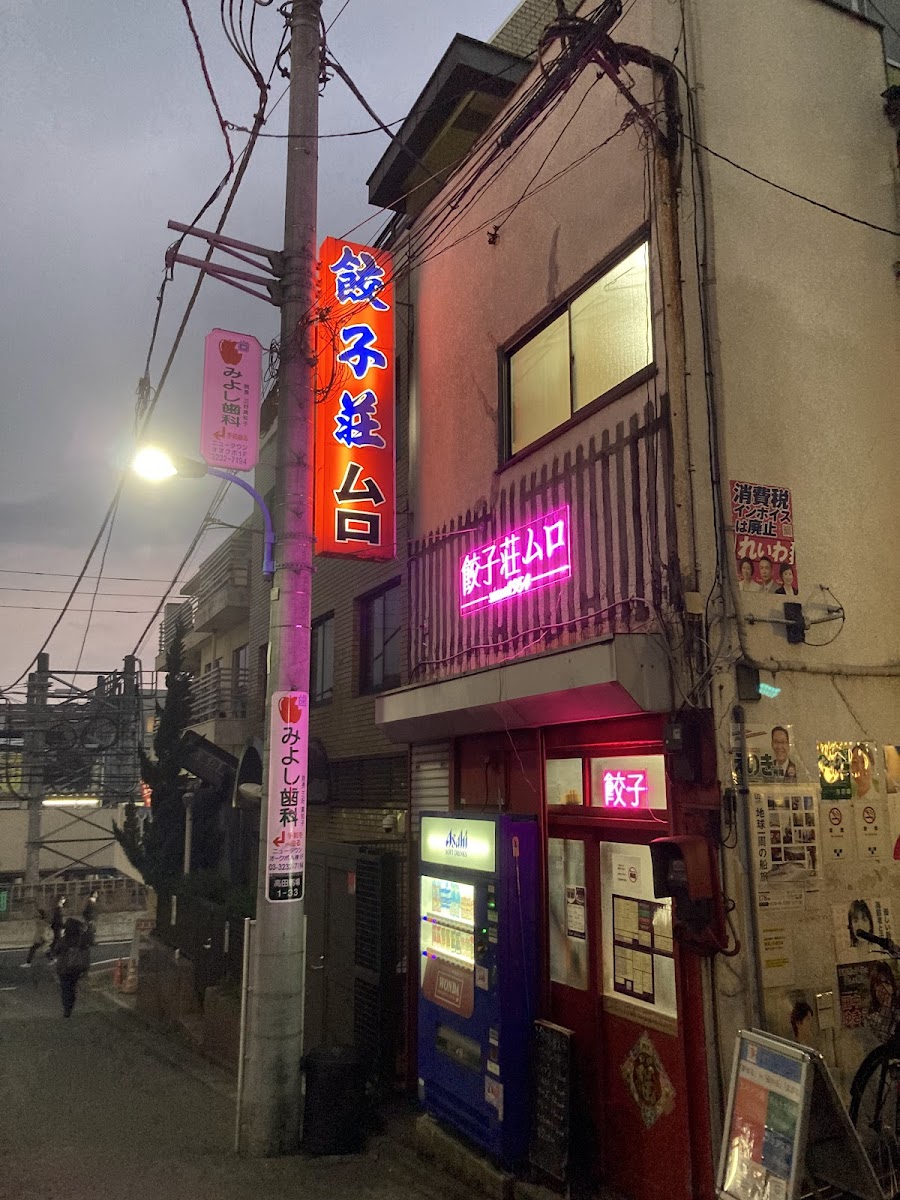
Overview
Tucked away at 1 Chome-33-2 Takadanobaba, Shinjuku City, Tokyo 169-0075, Japan, Gyozasou Muro is the kind of place you almost walk past-until the smell of sizzling dumplings pulls you back. I first visited on a rainy weekday evening after a long meeting nearby, and within minutes of stepping inside, I understood why locals keep this spot busy. The atmosphere is casual, a bit nostalgic, and refreshingly unpretentious. Wooden counters, handwritten menu boards, and the rhythmic sound of gyoza hitting a hot iron pan set the tone immediately.
The menu is focused, and that’s usually a good sign. Their pan-fried gyoza are the clear star. Each dumpling arrives golden and crisp on the bottom, yet tender on top. The filling-a balanced mix of minced pork, garlic, napa cabbage, and chives-leans savory without overwhelming your palate. According to Japan’s Ministry of Agriculture, gyoza consumption has steadily grown over the last decade, especially in urban areas like Tokyo, reflecting a broader trend toward affordable comfort food. What makes the version here stand out is technique. The chef lines the dumplings in a tight circle, adds water, and quickly seals the pan with a lid to steam-fry them. This process creates that perfect contrast between crispy and juicy-what food scientists often describe as the Maillard reaction on the base combined with steam retention on top.
Beyond dumplings, the menu includes ramen, fried rice, and small plates that pair effortlessly with a cold beer. I once brought a colleague who studies Japanese culinary traditions, and he pointed out how the seasoning style here mirrors post-war Tokyo diners: bold garlic, pronounced soy sauce notes, and generous portions designed for workers and students. Takadanobaba, after all, is known for its universities, and you’ll notice plenty of students crowding the counter seats during peak hours. Their reviews often highlight both value and consistency, two factors that drive repeat visits in Tokyo’s competitive dining scene.
What I appreciate most is the attention to small details. The dipping sauce is customizable-soy sauce, rice vinegar, and chili oil mixed to your liking. In a city filled with high-end tasting menus and Michelin-starred establishments, there’s something grounding about crafting your own sauce and enjoying a plate that costs less than a fancy coffee elsewhere. The Japan National Tourism Organization frequently notes that neighborhood eateries like this represent the authentic backbone of Tokyo’s food culture, and places like this prove that point effortlessly.
Service is straightforward and efficient. Don’t expect long explanations or elaborate presentations. Instead, you’ll get quick greetings, refilled water glasses, and plates delivered straight from the stove. During my third visit, I watched the chef prepare batch after batch of dumplings without ever glancing at a recipe. That repetition builds mastery. It’s the kind of quiet expertise that doesn’t need to be advertised.
For anyone visiting Shinjuku City, the location is practical. Takadanobaba Station is only a short walk away, making it easy to include in an evening food crawl. Still, be prepared for a possible wait during dinner hours. Seating is limited, and the diner-style layout fills up quickly. While I haven’t found official reservation options listed, walk-ins move steadily thanks to the quick turnover.
If there’s a limitation, it’s the language barrier. English menus may not always be available, so having a translation app can help. That said, the staff is used to international visitors, and pointing at photos or neighboring plates usually works just fine.
Ultimately, the appeal lies in simplicity done exceptionally well. Crisp-edged dumplings, a lively counter, and the hum of conversation create an experience that feels distinctly Tokyo. Whether you’re a food enthusiast analyzing cooking methods or just someone craving a satisfying meal, this small diner in Takadanobaba delivers honest flavors and a reliable menu that keeps people coming back.
Good to know
Service options
✓ Takeaway ✓ Dine-in ✓ DeliveryPopular for
✓ Dinner ✓ Solo diningAccessibility
✓ Wheelchair-accessible car park ✓ Wheelchair-accessible entrance ✓ Wheelchair-accessible seatingOfferings
✓ Alcohol ✓ Beer ✓ Quick bite ✓ Small platesDining options
✓ Dinner ✓ Table serviceAmenities
✓ ToiletAtmosphere
✓ CasualCrowd
✓ University studentsPlanning
✓ Accepts reservationsPhotos
1 / 4
Location
Reviews
- No ratings yet 310 reviews
Very cozy family oriented restaurant with the best gyozas we’ve tasted in our lives. So familiar that makes you want to hug them. The lady has been working there for 65 years and she is also the oldest electronic music dj in the world. A truly japanese experience, you cannot go wrong!
Amazing gyoza. Simple but delicious and fulfilling with beer or their special cocktail
Delicious Gyoja. Need to wait for serving due to steam dumplings.